Abstract Embroidery Design Review
As an embroidery designer who spends weekends hunched over a booth table, I know that the difference between a design that sits on the shelf and one that sells out by noon often comes down to visual impact and versatility. When I first laid eyes on the Abstract machine embroidery design, my immediate reaction was one of cautious optimism. The description promises original quality and notes that it will look great on any fabric or clothes, but in the world of handmade markets, "any fabric" is rarely true without some strategic planning. This review breaks down exactly how this Abstract design performs as a commercial product for craft fairs, Etsy shops, and boutique makers.
First Impressions and Visual Appeal
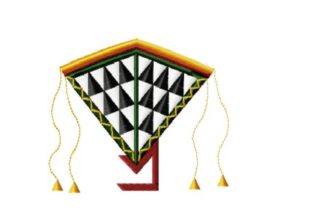
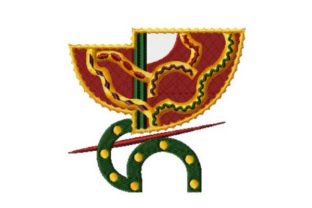
The title "Abstract" suggests a modern, perhaps minimalist or geometric aesthetic, which is currently trending in the handmade sector. Unlike busy floral patterns that can feel dated or cluttered, abstract designs tend to read as premium and sophisticated. For a craft fair seller, this is crucial. You want your booth to stand out from the sea of traditional farmhouse and rustic items. An abstract motif feels fresh, artistic, and contemporary.
When evaluating the visual weight of Abstract, it appears to strike a balance between being bold enough to catch the eye from across a aisle, yet subtle enough to remain elegant. It does not scream for attention with loud colors or complex narratives; instead, it relies on form and texture. This makes it highly adaptable. Whether you are stitching onto a crisp white cotton tote bag or a soft linen apron, the design retains its integrity. It feels less like a novelty item and more like a piece of wearable art, which elevates the perceived value of your handmade product.
Product Versatility: Where Abstract Shines
In my experience, the most successful crafter fair products are those that serve multiple purposes. Abstract excels in this regard because its non-specific nature allows it to fit into various lifestyle categories. Here is how I see it performing across different merchandise types:
- Tote Bags and Market Bags: This is the bread and butter of craft shows. Placing Abstract on a high-quality canvas tote creates an instant statement piece. Because the design is likely clean and uncluttered, it photographs beautifully for online listings, acting as a strong printable mockup for your digital marketing.
- Aprons and Kitchen Towels: For the home decor segment, this design adds a touch of modern elegance. On a tea towel, it serves as a beautiful accent rather than overwhelming the utility of the item. It appeals to buyers looking for gifts that are both functional and stylish.
- Caps and Patches: If the design scales well, it works exceptionally well as an embroidered patch or on the front panel of a structured cap. However, caution is advised here regarding scale (see below).
- Pillow Covers and Small Accessories: The design’s flexibility allows it to work as a focal point on lumbar pillows or as a repeated pattern on small pouches. This variety helps you create a cohesive collection at your booth, encouraging customers to buy multiple items.
Production Practicality and Selling Points
From a production standpoint, efficiency is key to profitability. A good embroidery file should be straightforward to digitize and stitch without causing headaches during batch production. While specific technical details like exact stitch count are not provided in the source text, the description implies a design that is user-friendly.
The primary selling point of Abstract is its repeatability. In a booth setting, you want to demonstrate that you can produce consistent quality. If the design has large open spaces or simple lines, it stitches quickly and cleanly. This speed translates to higher margins. Furthermore, because the design is abstract, it does not rely on specific cultural references or trends that might fade quickly, giving your inventory a longer shelf life.
For Etsy sellers and digital sellers, the aesthetic appeal of Abstract means it fits seamlessly into modern branding. It pairs well with neutral color palettes, allowing your thread colors to define the mood—whether that is earthy tones for a boho vibe or neon accents for a pop-art feel. This adaptability increases your design assets potential, as you can market the same base design to different customer demographics simply by changing the thread choice.
Crucial Technical Considerations and Warnings
As an experienced designer, I must highlight several areas where Abstract could potentially fail if not handled correctly. The devil is always in the details when it comes to machine embroidery design.
- Stitch Density and Clarity: Abstract designs often rely on negative space and clean lines. If the stitch density is too high, the fabric may pucker, ruining the sleek look. Conversely, if the lines are too thin, they may break up or disappear entirely on textured fabrics. Always inspect the design closely for tiny details that might get lost.
- Fabric Texture Compatibility: The description mentions it looks great on "any fabric," but this is a generalization. Avoid using this design on heavily textured towels or thick denim unless you have tested it thoroughly. The fabric texture can obscure the fine lines of an abstract pattern, making it look muddy or indistinct. Stick to smooth wovens like cotton, linen, or stable knits for the best results.
- Scale and Hoop Size: Before committing to a full production run, confirm the hoop size. If you intend to use this on caps or small pouches, ensure the design remains legible at that smaller scale. Tiny details in abstract art can become blobs when reduced. Create a test sample at the smallest intended size to verify clarity.
- Color Contrast: Abstract designs often depend on contrast to define shapes. Stitching a light-colored abstract design on a dark fabric requires careful thread colors selection to ensure the design pops. Always check the contrast ratio before stitching.
Final Verdict for Craft Fair Success
Abstract is a strong contender for any small shop product line aiming for a modern, upscale aesthetic. Its strength lies in its versatility and its ability to elevate simple items like tote bags and aprons into premium goods. It captures attention through sophistication rather than noise, which is a powerful tool for engaging craft fair attendees.
However, success depends on execution. Do not assume the design will work perfectly out of the box. Take the time to test it on scrap fabric, evaluate the stabilizer support needed, and produce at least one real-world mockup. Check the spacing, ensure the commercial embroidery license allows for resale, and compare how it looks against your brand’s typical color palette. By treating Abstract with the same rigor you would apply to any other finished product, you can turn this design into a reliable bestseller that drives sales and builds brand consistency.