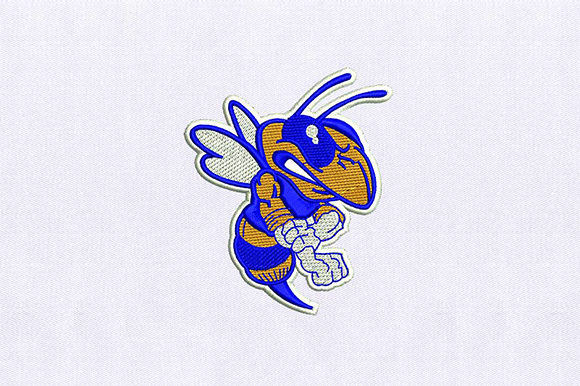
Angry Honey Bee: A Bold Embroidery Design for Craft Fairs
First Impressions of the Angry Honey Bee Design
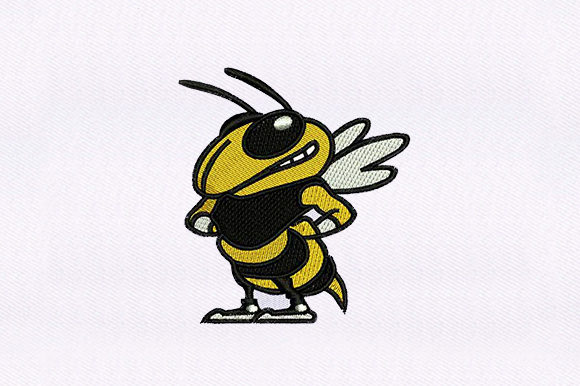
The Angry Honey Bee design makes a strong visual impact from the moment you see it. It’s not just another bug in the world of embroidery—it's bold, expressive, and carries a touch of humor that immediately sets it apart. This machine embroidery design has an energetic vibe that works well with both casual and decorative products. Its farmhouse charm meets modern flair, making it versatile enough to fit into a wide range of handmade product lines.Where Angry Honey Bee Shines on Products
- Tote Bag Design: The Angry Honey Bee is perfect as a central motif on a cotton canvas tote. Its size and detail make it ideal for creating a statement piece that customers will notice from across the room.
- Apron Embroidery: Stitched near the pocket or along the waistband, this design adds personality to aprons. It works especially well in farmhouse-themed collections.
- Tea Towel Embroidery: For kitchen items, the bee brings a cheerful, rustic touch. The design looks great when paired with floral or gingham prints, offering a mix of whimsy and home décor appeal.
- Embroidered Patch: As a standalone patch, the Angry Honey Bee can be sewn onto denim jackets, backpacks, or even custom hats. It’s a portable way to showcase your embroidery skills at a craft fair.
- Fabric Pouches and Pillow Covers: These smaller, decorative products give the design a chance to shine without overwhelming the viewer. A subtle placement on a pouch or a more prominent feature on a pillow cover can highlight its versatility.
- Caps and Market Bags: On curved surfaces like caps or structured market bags, the design must be carefully adapted. But if hoop size and stitch density are managed properly, it can add a unique twist to these everyday items.
Practical Selling and Production Considerations
At-a-Glance Clarity: One of the key selling points is how quickly customers can recognize the design. The bee’s angry expression and distinct shape make it easy to spot, which is crucial for attracting attention in a crowded booth.
Scale Flexibility: The design is adaptable to both large focal pieces and smaller accents. When used as a main feature, it demands space and fabric quality. In smaller versions, it can serve as a charming signature element on labels or tags.
Photography Potential: For Etsy sellers and digital creators, the Angry Honey Bee photographs beautifully. Its contrast and definition work well against light-colored fabrics, making it a strong candidate for printable mockups and online listings.
Batch Production Readiness: While the design is detailed, it doesn’t require overly complex techniques that slow down production. With the right setup, including proper stabilizer and hoop size, it can be reliably reproduced across several units without losing quality.
Careful-Use Notes for Embroidery Artists
- Dense Stitch Areas: Some parts of the design may have higher stitch density, so test on scrap fabric first to avoid puckering or distortion.
- Tiny Details: The facial expressions and intricate patterns require precision. If using a lower-end machine, ensure tension settings are adjusted for fine details.
- Small Lettering: If the design includes text (like “Bzzz!”), check how it appears on different fabric textures. Thin thread colors may need extra care on dark or textured materials.
- Thick Fabric & Textured Towels: For tea towels or market bags made of thick linen, use a tear-away or cut-away stabilizer to maintain crisp edges.
- Curved Surfaces: On caps or curved market bags, ensure the design is mirrored correctly and that the file is compatible with your software for curve adjustments.
- Dark Fabric Challenges: Thread colors might lose vibrancy on darker backgrounds. Always compare your design assets against your chosen fabric color to maintain visual impact.
Visual Appeal and Customer Engagement
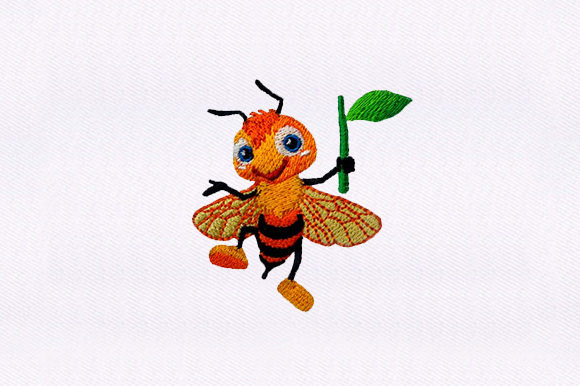
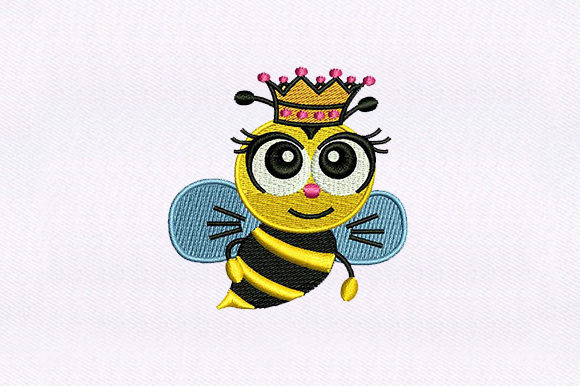
The design also supports brand consistency. If you're running a Bugs-themed line or focusing on whimsical, handcrafted goods, the Angry Honey Bee becomes a recognizable asset. Customers who love quirky animal motifs will find it appealing, especially when paired with complementary elements like flowers or honeycomb shapes.
In terms of product value, adding this design to a basic item like a cap or pouch instantly increases its perceived worth. It shows attention to detail and creativity, two qualities that buyers look for in high-quality handmade products.
Designer Tips Before Finalizing Your Craft Fair Line
- Test on Scrap Fabric: Try stitching the design on similar materials you plan to use. This helps catch any issues with stitch density or thread tension early.
- Check Thread Contrast: Make sure the thread colors stand out clearly on your chosen fabric. Darker threads may not show up as well on black or navy materials.
- Review Spacing: Ensure the design fits comfortably within your hoop size and doesn't run into seams or edges when placed on real-world products.
- Confirm Hoop Size: Since the design is detailed, it may require a larger hoop. Double-check specifications unless provided by the digital embroidery file source.
- Inspect Stitch Density: Look closely at areas with tight stitches to prevent puckering. Adjust your stabilizer type or pressure accordingly.
- Use the Right Stabilizer: Depending on the fabric, choose between tear-away, wash-away, or cut-away stabilizers to maintain design integrity.
- Create Real Mockups: Don’t rely solely on printed samples. Create one or two finished products to evaluate how the design looks in person and how it holds up after washing or wear.
- Compare Fabric Colors: Try the design on at least three different fabric shades to see how it adapts. Some colors enhance the bee’s features better than others.
- Confirm Commercial Licensing: If you plan to sell the finished products beyond a weekend craft fair, verify whether the digital embroidery file allows commercial use. This is essential for Etsy sellers and small shop owners alike.
Final Thoughts for Embroidery Designers and Sellers
The Angry Honey Bee is more than just a machine embroidery design—it’s a conversation starter. Whether you’re an embroidery business owner, a Cricut crafter branching into embroidery, or a boutique maker preparing for your next market, this design offers creative flexibility and visual appeal.It performs exceptionally well on a variety of craft fair products, especially when thoughtfully placed and professionally executed. However, due to its detail-rich nature, careful testing and planning are required to ensure consistent results across all finished products.
If you're considering this design for your lineup, take the time to understand how it behaves on different surfaces and under various lighting conditions. Use printable mockups to visualize the design on different product styles before production. And above all, keep your customer experience in mind—this bee needs to buzz through your booth and into their hearts!