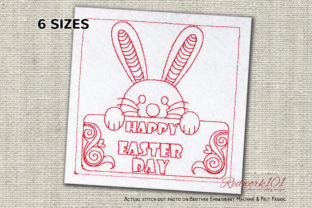
Happy Easter Redwork Review
As an embroidery designer who lives and breathes seasonal collections, I am constantly evaluating new digital assets to see if they fit into my upcoming product lines. When I first encountered Happy Easter Redwork, I knew immediately that this design had the potential to be a standout piece for spring collections. It is not just another clipart image; it is a thoughtfully constructed machine embroidery design that balances nostalgia with modern usability. For Etsy sellers, small business owners, and handmade gift makers, selecting the right design can make or break a holiday launch. This review breaks down why Happy Easter Redwork deserves a spot in your seasonal inventory.
The First Impression: Nostalgic Charm Meets Practicality
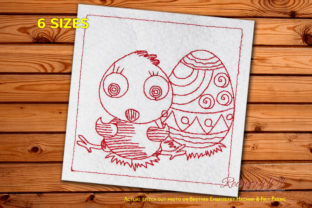
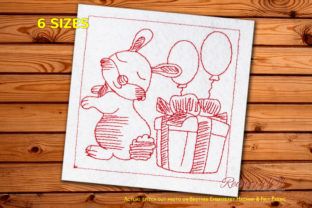
The moment you open the embroidery file, the aesthetic speaks for itself. The term "Redwork" historically refers to simple, bold designs stitched in a single color, usually red, on white or natural fabric. However, modern iterations often play with this concept creatively. Happy Easter Redwork captures that rustic, cozy feeling that resonates deeply with customers looking for authentic, home-spun vibes during the Easter season.
The design feels festive yet elegant, avoiding the overly saccharine tones that can sometimes clutter holiday decor. Instead, it offers a clean line art style that allows the stitch quality to shine. Whether you are aiming for a playful look for baby items or a more sophisticated vibe for kitchen linens, the core structure of the design is versatile. It evokes a sense of warmth and tradition, making it perfect for family matching outfits or heirloom-quality home decor pieces. The emotional tone is one of gentle celebration, which aligns perfectly with the spirit of Easter without being overly religious or secular—it strikes a balance that appeals to a broad audience.
Real-World Applications for Holiday Sellers
One of the biggest challenges for an Etsy seller or small shop product creator is versatility. A design must work across multiple mediums to maximize return on investment. Happy Easter Redwork excels in this area. Because it is a machine embroidery design built with clear lines, it translates beautifully to various substrates.
- Kitchen Towel Embroidery: This is perhaps the most popular use case for redwork styles. The high contrast works exceptionally well on white cotton tea towels, making them ideal as personalized gift items or wedding favors. The design’s simplicity ensures it remains legible even when stitched densely.
- Sweatshirt Embroidery: For those creating limited edition apparel, this design adds a touch of whimsy to crewnecks or hoodies. It looks particularly charming on oatmeal-colored or heather grey fabrics, offering a softer alternative to stark white.
- Tote Bag Design: Canvas totes are staples of the craft fair circuit. Happy Easter Redwork provides enough visual weight to stand out on a crowded table while remaining timeless enough that customers won’t feel embarrassed carrying it after the holiday season ends.
- Pillow Cover & Home Decor: When applied to linen or burlap pillow covers, the design takes on a more rustic, farmhouse aesthetic. This appeals to the growing market for shabby chic and cottage-core interior styles.
- Embroidered Patch: The clean borders make it easy to digitize as an iron-on patch, allowing customers to add a custom touch to denim jackets or backpacks.
Strategic Selling During Peak Season
In the world of seasonal embroidery, timing and presentation are everything. Happy Easter Redwork is positioned to perform well in several key selling scenarios. For gift bundles, such as a "Spring Cleaning Kit" including a mug, candle, and embroidered towel, this design serves as the unifying visual element. It ties disparate products together under a cohesive brand identity.
When creating printable mockup images for your online store, this design’s simplicity allows it to look realistic even in smaller thumbnail sizes. Buyers can instantly recognize the theme without needing to zoom in. Furthermore, its classic style lends itself well to social media previews. A photo of a child wearing a sweatshirt with this design, or a table setting featuring embroidered napkins, creates an aspirational lifestyle image that drives engagement. It also works wonderfully for family matching items, a trend that continues to grow on platforms like Pinterest and Instagram. Parents love coordinating their children’s outfits for holiday photos, and a versatile design like this makes that coordination effortless.
Technical Considerations and Potential Pitfalls
While Happy Easter Redwork is highly adaptable, no design is without its limitations. As a professional, I advise caution when applying this design to certain materials. First, consider the hoop size. If the design is large, ensure your customer’s machine can accommodate it, or offer scaled-down versions if possible. Second, be mindful of stitch density. On thick towels or dense fleece, a heavy stitch pattern can cause puckering. Always test on scrap fabric before committing to a finished product.
Avoid using this design on stretchy garments unless proper stabilizers are used, as the tension may distort the hoop shape. Additionally, while redwork traditionally uses one color, attempting to use metallic threads on complex line art can lead to thread breakage and poor finish. Stick to solid, matte threads for the best results. Also, keep in mind that tiny lettering within the design may become illegible if stitched too small. If you plan to sell these items on curved caps, remember that flat designs may warp; this specific design might be better suited for flat panels or bags rather than structured hats.
Designer Notes for Optimal Results
To get the most out of Happy Easter Redwork, follow these practical steps from one designer to another. First, always check the thread colors. While red is traditional, experimenting with navy blue, forest green, or mustard yellow can give your products a unique twist that stands out in a crowded marketplace. Test these variations on both light and dark fabrics to ensure visibility.
Secondly, confirm the commercial licensing terms provided by the designer. Since Happy Easter Lineart Embroidery Designs comes with multiple formats, verify which files are included (such as .pes, .dst, .exp) to ensure compatibility with your specific embroidery machines. Use a high-quality stabilizer appropriate for your fabric type—cut-away for knits and tear-away for wovens—to maintain structural integrity.
Finally, create realistic digital embroidery file presentations. Show the design on different textures, such as linen, cotton, and denim, to help buyers visualize the final product. Review the small details after stitching your own samples to catch any potential issues with thread tension or hooping. By paying attention to these details, you build customer trust and ensure that your finished product reflects the premium quality your brand promises.
Final Thoughts
Happy Easter Redwork is more than just a file; it is a tool for creating meaningful connections through handmade goods. Its blend of nostalgic charm and technical versatility makes it an excellent addition to any holiday embroidery collection. Whether you are preparing for a busy spring season or expanding your small business offerings, this design offers the reliability and appeal needed to succeed. Check the specific file details, test your samples, and watch your seasonal sales soar.