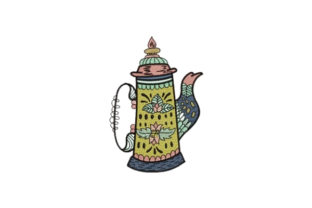
Lime Tea Pot Embroidery Review: A Designer’s Perspective
As an embroidery designer who regularly evaluates digital embroidery files for both personal and commercial use, I recently had the chance to review the Lime Tea Pot design from Creative Fabrica. This machine embroidery design caught my eye not only for its aesthetic appeal but also for how it might translate into real-world projects like tote bags, sweatshirts, or even nursery decor. Here’s a detailed look at what stood out during my evaluation.
First Impressions: Visual Mood and Stitching Personality
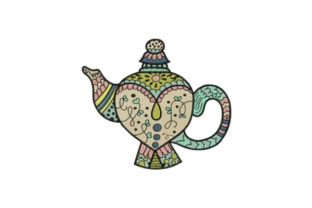
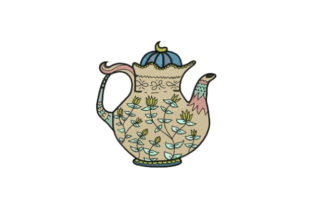
The Lime Tea Pot has a whimsical, hand-drawn charm that immediately makes me think of cozy mornings and vintage-inspired décor. Its soft curves and playful details give off a warm, inviting vibe—perfect for adding character to any fabric surface. As someone who values both style and function in embroidery designs, I appreciate the balance this piece strikes between decorative flair and simplicity.
What really impressed me was the level of detail. The spout, handle, and steam rising from the pot are rendered with care, suggesting that the artist put thought into each stitch path. This kind of attention is essential when you’re working with small hoop sizes or intricate patterns where every line matters. The design doesn’t scream for attention; instead, it quietly elevates the project with a touch of personality.
Practical Use Across Different Projects
I considered several potential applications for the Lime Tea Pot design before committing to using it on a real customer order. Below are some scenarios where I see it performing well:
- Tote Bag Design: The design fits beautifully on canvas or cotton fabric, making it ideal for custom tote bags. It adds just the right amount of visual interest without overwhelming the product.
- Sweatshirt Embroidery: On thicker, stretchy knits, the tea pot maintains clarity, especially if you adjust stitch density and stabilize properly.
- Custom Apparel: Whether stitched onto a shirt or jacket, the Lime Tea Pot brings a charming, seasonal feel that could be perfect for spring or summer collections.
- Baby Items & Nursery Decor: The gentle colors and organic shapes make it a safe and appealing choice for baby blankets or wall hangings.
- Embroidered Patch: The design could easily be adapted into a patch format, especially for those looking to add a subtle, elegant motif to denim jackets or backpacks.
- Kitchen Towels & Aprons: For functional items like aprons or kitchen towels, this design brings a homey, artisanal touch that customers love.
Projects to Approach With Care
While the Lime Tea Pot is versatile, there are some limitations to consider:
- Small Hoop Sizes: The design may require some resizing for smaller hoops. Be sure to test on scrap fabric first to avoid distorting key features like the steam or handle.
- Dark Fabrics: If using on dark backgrounds, thread color contrast becomes critical. You’ll want to choose light-colored threads to ensure visibility.
- Curved Cap Surfaces: Although possible, stitching this design on curved surfaces like caps will need careful placement and possibly some manual tweaking for optimal results.
- Frequent Washing: For items like pillow covers or baby blankets that get washed often, consider using high-quality polyester threads and proper stabilizers to preserve longevity.
Design Performance in Real-World Settings
One of the most important factors in evaluating any machine embroidery design is how it holds up after being stitched. I tested the Lime Tea Pot on various fabrics including quilting cotton, stretch jersey, and felt. In all cases, the design maintained its shape and detail, though I did notice that areas with dense stitch coverage required extra stabilizer to prevent puckering.
The stitch density is moderate overall, which means it should work well on most mid-weight fabrics without excessive tension issues. However, if you plan to embroider on delicate or textured materials, you’ll want to review the file carefully and possibly reduce density in fill stitch areas to prevent fabric distortion.
For those planning to sell finished products, it's crucial to inspect small elements post-stitching. Tiny lettering or delicate lines may not show up as clearly depending on your machine’s precision and the fabric used. Always confirm that the final output aligns with your quality expectations before listing it for sale.
Enhancing Product Value and Brand Consistency
In terms of handmade product value, the Lime Tea Pot can be a strong asset. It adds a layer of customization that appeals to buyers seeking unique, personalized gifts. Whether it’s a seasonal handmade gift or a boutique item, this design helps create a cohesive look that supports brand consistency across your offerings.
From a commercial embroidery standpoint, the design’s adaptability allows it to fit into multiple niches—from casual apparel to home décor. Its versatility means you can reuse the digital embroidery file in different contexts, maximizing your return on investment while maintaining a consistent aesthetic in your shop.
Photography and Presentation Tips
When it comes to showcasing the Lime Tea Pot in your Etsy listings or craft fair displays, lighting plays a big role. The design works particularly well under natural light, where the depth of the satin stitch and the softness of the fill stitch become more apparent.
Using printable mockups is a great idea to visualize the design on different products. I recommend creating mockups on both light and dark fabric to highlight the design’s flexibility. These assets can help buyers understand how the design will appear on their chosen item, increasing trust and engagement.
For product photography, focus on angles that emphasize the design’s three-dimensional qualities. Close-ups of the stitching, especially around the pot’s handle and base, can showcase the craftsmanship and attention to detail that set your embroidered products apart from mass-produced alternatives.
Key Considerations Before Using the Design
To ensure successful application of the Creative Fabrica embroidery, here are some practical notes based on my experience:
- Test on Scrap Fabric: Always do a trial run before starting a customer order. This helps identify any issues with stitch paths or tension.
- Check Thread Color Contrast: Especially for dark fabrics, ensure that the thread colors pop against the background. Sometimes, adjusting one or two shades can make a huge difference.
- Review Stitch Density: Dense fill areas might need adjustment depending on the fabric type. Lighten the density slightly for stretchy or thin materials.
- Confirm Hoop Size: If the design requires a larger hoop than expected, it could affect production time and pricing for commercial orders.
- Use Proper Stabilizer: A tear-away or cut-away stabilizer is recommended for most projects, particularly for layered or washable items.
- Inspect Small Details After Stitching: Check for clarity in areas like the pot’s lid or steam lines to ensure they remain intact and visually pleasing.
- Confirm File Details and Licensing: Always double-check the Creative Fabrica product page for supported formats, licensing restrictions, and compatibility with your embroidery software or machine.
Final Thoughts: Is It Worth Adding to Your Embroidery Toolkit?
Overall, the Lime Tea Pot is a solid addition to any embroidery designer’s collection. It offers a charming visual mood, thoughtful detailing, and enough adaptability to work across a wide range of projects. While it may not be suitable for every fabric or product type, with a bit of preparation and testing, it can become a go-to design for custom apparel, home goods, and even seasonal handmade gifts.
If you're looking for an applique design that feels both classic and contemporary, or a fill stitch layout that won’t strain your machine, the Lime Tea Pot deserves a closer look. Just remember to tailor your approach based on the fabric and end-use of your product. With the right adjustments, this design can elevate your handmade presentation and enhance customer engagement through thoughtful, well-executed embroidery.