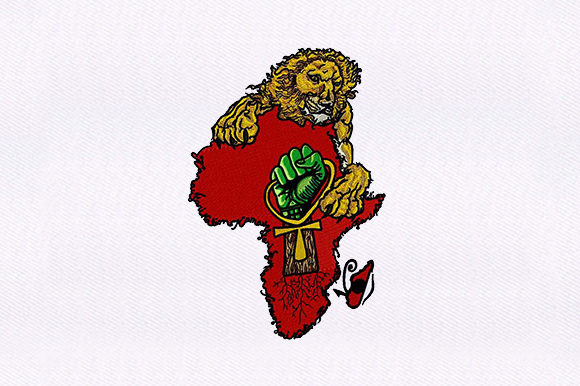
Lion African Continent Embroidery Design Review
As an experienced embroidery designer and product reviewer, I often find myself evaluating how a design will translate from digital file to finished product. The Lion African Continent machine embroidery design is one that caught my attention for its bold theme and artistic depth. While the product description promises a detailed and versatile design, it's the real-world application that matters most when choosing designs for custom apparel, handmade gifts, or commercial use.
First Impressions: A Majestic Statement
The Lion African Continent design exudes a sense of strength and symbolism right from the start. It features a stylized lion’s head with a continent map subtly integrated into the mane or background—depending on the layout version. The overall composition feels intentional, with a balance between negative space and intricate detailing that gives it a professional yet approachable look.
I appreciate how the shape of the lion is structured; it’s not too elongated or cramped, which makes it easier to adapt to different project types. The visual personality of this design leans toward adventure, pride, and cultural connection, making it ideal for items like travel-themed tote bags, children's nursery decor, or even boutique branding where a unique, meaningful motif is needed.
Visual Appeal and Stitch Clarity
From a technical standpoint, the detail level in this design is impressive. You can see fine elements in the facial expression and subtle stitching in the mane that suggest the designer has put thought into creating a realistic yet manageable look. When stitched on medium-weight cotton, the Lion African Continent maintains clarity without appearing cluttered, which is essential for both personal and commercial embroidery projects.
However, it’s important to note that the design uses multiple stitch types—satin stitches for outlining the lion’s face and fill stitches for the body and continent pattern. This combination adds dimension but also means the design may require careful management of stitch density and thread tension to avoid puckering or distortion, especially on stretchy or thin fabrics.
Real-World Applications
Let’s imagine using this design for a custom embroidered sweatshirt. The Lion African Continent would make a strong statement as a front-center motif, particularly if you're targeting a niche audience interested in wildlife, travel, or cultural themes. Its size and structure are well-suited for larger hoop areas, giving room for the design to breathe and allowing the details to show off properly.
If you're an Etsy seller or small shop owner looking to add some uniqueness to your offerings, this design could be perfect for personalized gifts such as baby blankets, nursery wall hangings, or embroidered pillows. The continent element introduces a storytelling aspect, which can help elevate the perceived value of the item and create emotional resonance with customers.
For those working with patches or decorative accents, the Lion African Continent might need some adjustment. Patches typically benefit from tighter, more compact designs, and unless the file includes a specific patch format, I’d recommend resizing or reworking the layout to suit smaller applications. The same goes for curved surfaces like caps or hats—this design may lose impact or become misaligned due to the fabric curvature.
Design Fit and Customer Reactions
When considering customer reactions, the lion is a universally recognized symbol, but its pairing with a continent map offers something fresh. People who choose this design likely want something meaningful, whether for a family heirloom, a business logo, or a gift with deeper significance. In my experience, such thoughtful designs tend to resonate well, especially when presented cleanly and professionally.
On tote bags or aprons, this design could serve as a focal point, especially if paired with minimal text or other simple motifs. For holiday gifts or seasonal products, I’d consider using a complementary color palette to match the spirit of the season while keeping the lion’s essence intact. The key is ensuring that the colors used for the thread colors don’t clash with the fabric or overwhelm the viewer.
Where to Use with Caution
Despite its strengths, there are scenarios where the Lion African Continent needs extra attention. On small hoop sizes, the design risks losing its detail or becoming distorted. If you're planning to use it on a cap or a tiny accessory, you’ll need to check the minimum recommended hoop size before committing to production.
Textured or stretchy fabrics can also challenge this design. The fill areas might pucker if the fabric isn't stabilized correctly, and the satin-stitched features could pull if the material stretches during the sewing process. Dark backgrounds may reduce the visibility of certain elements, so testing the design on light-colored materials first is advisable.
Products that undergo frequent washing—like tea towels or aprons—might see some wear over time. Dense stitch areas can trap moisture and lead to mildew if not washed carefully. As a designer, I always recommend using quality threads and proper stabilizer to maintain the integrity of the design through repeated use.
Handmade Presentation and Branding Potential
For handmade shops and creative entrepreneurs, the Lion African Continent brings a touch of sophistication. It works well in printable mockups for online listings and looks great in photos for social media or Etsy sellers. The design’s boldness helps it stand out in crowded marketplaces, and its thematic depth allows for creative storytelling in product descriptions.
From a branding perspective, this design could serve as a repeating motif across a range of small shop products, helping to build recognition and consistency. Whether used on a hoodie, a pillow cover, or a set of custom mugs, the lion’s presence ties the collection together with a cohesive visual identity.
Designer Notes and Best Practices
Before using the Lion African Continent in any project, I always start by testing it on scrap fabric. This step reveals how the stitch density interacts with the chosen material and whether the thread colors contrast well. If the design lacks clear instructions, I suggest experimenting with stabilizers—both cutaway and tear-away—to see what yields the best results.
It’s also crucial to review the design in black and white to assess how it translates without color influence. Some parts may blend into dark fabrics or appear flat in grayscale, so adjusting the thread colors accordingly can enhance the final outcome. Comparing it against light and dark fabric backgrounds will give you a clearer idea of its versatility.
For commercial embroidery purposes, confirm the licensing terms before selling any finished items or digital embroidery files. Many designers offer limited-use licenses, and violating these can lead to legal issues down the line. If you’re incorporating this design into a branded product, ensure it aligns with your overall aesthetic and brand message.
Final Thoughts on Project Suitability
In summary, the Lion African Continent is a compelling choice for those looking to add symbolic weight to their handmade or commercial products. It performs well on mid-sized items with smooth, stable fabric surfaces and complements a wide array of embroidery projects, from casual apparel to decorative home goods.
Its potential to increase buyer engagement and project value is high, provided it’s applied with care and consideration. As a designer, I recommend starting with a test piece to evaluate its performance in your specific context. Once satisfied, you can confidently integrate it into your workflow, knowing it enhances the handmade presentation and meets the expectations of discerning crafters and shoppers alike.
Remember, no matter how beautiful the embroidery file appears on screen, it’s the final stitched result that defines success. So take your time, experiment, and let the Lion African Continent shine in the way it was meant to—boldly and beautifully.