Red Chopper Embroidery Design Review for Craft Fair Products
First Impressions: A Bold and Versatile Sports-Inspired Embroidery
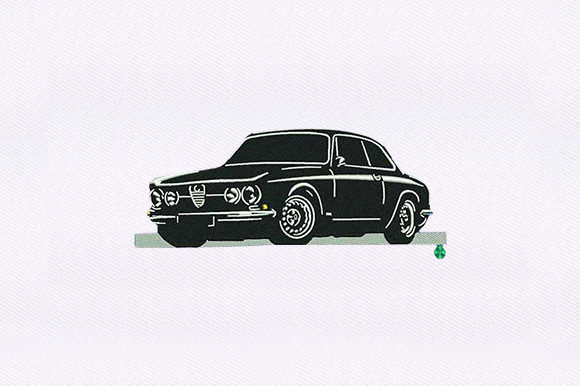
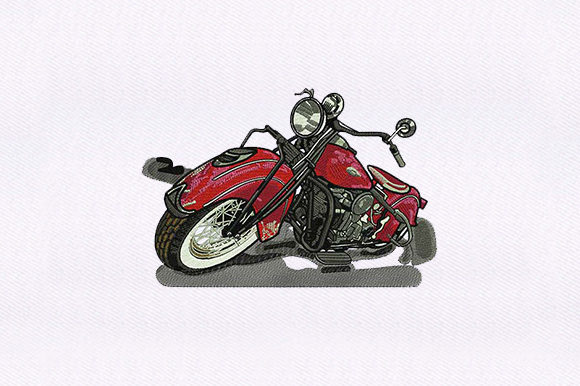
As an experienced embroidery designer, the first thing I notice about Red Chopper is its strong visual impact. The title and description suggest a design that's both detailed and adaptable, which are two of the most important qualities for successful craft fair products. While the product category is labeled as "Sports," the phrase "look amazing on any fabric or clothes" hints at a broader appeal. From my perspective, this design feels bold, modern, and slightly edgy—perfect for customers who want to add a unique flair to their handmade items.Where Red Chopper Shines in a Craft Fair Booth
When preparing for a weekend craft fair booth, it's essential to choose designs that stand out without overwhelming the eye. Red Chopper has the potential to become a focal point when applied to larger surfaces like tote bags or aprons. Its detail-oriented nature means it can command attention from across the room, especially if stitched in vibrant thread colors that pop against neutral backgrounds.- Tote Bag Design: This is where Red Chopper really comes into its own. Stiched prominently on a canvas or linen tote, it adds personality and instant recognition. Customers love bold graphics on market bags, and this could be your bestseller.
- Apron Embroidery: A well-placed Red Chopper on a vintage-style apron would attract attention at home décor and kitchen sections of the fair. Make sure to test stitch density here since aprons often get used and washed frequently.
- Tea Towel Embroidery: If you're selling embroidered tea towels, the design needs to be legible and visually appealing up close. Red Chopper could work beautifully with a minimalist layout on cotton flour sacks, especially if paired with complementary thread colors.
- Embroidered Patch: Turning Red Chopper into a patch is another smart move. Patches are popular among hobbyists and can be added to jackets, backpacks, or denim. Just keep in mind the need for proper backing and secure stitching if it’s going to be used commercially.
- Fabric Pouches & Pillow Covers: These small shop products benefit from a cohesive look. Red Chopper adds a decorative yet recognizable element, making it ideal for boutique makers looking to elevate their offerings.
Customer Appeal and Marketability
What makes a design sell at a craft fair? It has to speak to different tastes while maintaining a clear identity. Red Chopper seems to hit that balance. It’s not overly cute or childish, but it carries a sense of fun and energy. That makes it suitable for a wide range of demographics—from young adults to nostalgic sports fans.Production Considerations for Small Shop Product Makers
Stitch Density: Since the description emphasizes “detailed embroidery,” it’s safe to assume that some areas may be densely stitched. This could cause issues with thicker or textured fabrics like burlap or felt. Test the design on scrap fabric before committing to a full batch.
Thread Colors: Thread contrast is crucial for visibility. Darker fabrics might require lighter threads to make the design pop, while light-colored materials can handle more complex shading. Always compare fabric colors with the embroidery file to ensure the final product looks as intended.
Hoop Size: Without specific hoop size information, it's important to review the design dimensions and confirm what fits within your machine’s capabilities. For commercial embroidery, sticking to standard hoop sizes ensures easier scalability and fewer headaches during production.
Design Spacing: Pay attention to how much negative space exists around the design. If it’s tightly packed, you’ll need a stable background to avoid visual clutter. On the other hand, if there's enough breathing room, it can easily be repeated on items like pillow covers or table runners.
Commercial Licensing: As an embroidery business owner, always verify whether the digital embroidery file allows commercial use. This step is vital for anyone planning to turn Red Chopper into finished products for resale at craft fairs or through online platforms like Etsy.
How Red Chopper Performs in Real-World Conditions
In a real-world setting, the way a design translates from screen to fabric is everything. Red Chopper appears to be a high-quality machine embroidery design, but it's important to create at least one real mockup before mass-producing. This will help you evaluate how it holds up under different conditions.- Photography for Online Listings: The design should photograph well due to its bold nature. Use a white backdrop to highlight the embroidery, and consider lighting angles that accentuate the texture and depth of the stitches.
- Booth Display Strength: When arranging your craft fair display, place items with Red Chopper embroidery front and center. They’re likely to draw buyer engagement and spark curiosity, especially when paired with similar sports-themed design assets.
- Batch Production Readiness: If you plan to produce multiple units, inspect the design for uniformity. Tiny details or small lettering may lose clarity if not properly scaled. Also, remember to use the right stabilizer for each fabric type to maintain quality across all pieces.
Careful Use Notes for Maximum Impact
- Dense Stitch Areas: These parts of the design may require more time to stitch and can affect fabric stretch or durability. Avoid placing them near seams or stress points.
- Tiny Details: Depending on the scale, intricate elements might not show up clearly. Always test the design at smaller sizes to see if it retains its character.
- Thick or Textured Fabrics: Designs with fine lines or curves might struggle on heavy-duty materials. Choose smoother textiles for the best outcome.
- Dark Fabric Contrast: If you're using the design on darker materials, ensure the thread color contrasts sufficiently. Otherwise, the design may appear muted or hard to see.
- Curved Surfaces (Caps): Curves can distort the shape of the embroidery. Adjust the design accordingly or opt for simpler placements to preserve its integrity.