Turtle Embroidery Design Review
As an experienced embroidery designer who spends weekends setting up booths at local craft fairs and managing a busy handmade shop, I know that the difference between a design that sits on the shelf and one that flies off it often comes down to visual impact and production practicality. When I first reviewed the Turtle machine embroidery design, my immediate instinct was to evaluate its potential as a craft fair product. The description highlights it as a high-quality, detailed piece suitable for various fabrics, which is exactly what we need for creating premium handmade products.
In this review, I will break down how this Turtle design performs across different applications, from tote bags to aprons, and provide critical notes for Etsy sellers, boutique makers, and creative entrepreneurs looking to turn this digital asset into profitable inventory.
First Impressions and Visual Appeal
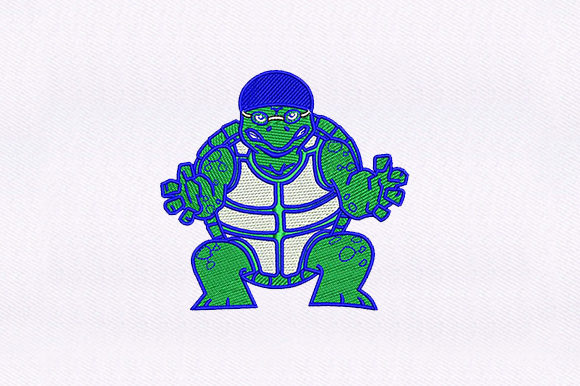
The Turtle design carries a natural charm that resonates with a wide audience. Whether your brand leans toward rustic farmhouse aesthetics, modern minimalism, or playful cottagecore vibes, a turtle motif offers versatility. In the context of a physical booth, where customers scan items quickly, the design needs to read clearly from a distance. Because the description emphasizes detail, this design likely serves best as a focal point rather than a subtle accent.
For handmade gift buyers, turtles evoke feelings of longevity, calm, and nature. This emotional connection can drive impulse purchases. If executed well, the design feels decorative yet grounded, making it suitable for both children’s items and adult-oriented home decor. It avoids being overly childish while remaining approachable, which is a sweet spot for maximizing sales at weekend markets.
Product Applications: Where Turtle Shines
To maximize the return on this embroidery file, you must choose the right substrate. Not all products highlight a detailed reptile design equally. Here is where Turtle is likely to stand out:
- Tote Bag Design: A canvas tote bag provides a large, flat surface area. Placing the turtle centrally or in a corner allows the details to breathe. This is a staple small shop product because it is functional and promotes your brand when carried around town.
- Apron Embroidery: For kitchen-themed booths, a turtle on a linen or cotton apron adds personality. Ensure the placement does not interfere with pockets or ties. This appeals to home cooks who appreciate unique, artisanal touches.
- Tea Towel Embroidery: Cotton tea towels are low-cost items with high perceived value when embroidered. The Turtle design works beautifully here as a cheerful kitchen accent. Just be mindful of fabric texture; highly textured waffle weaves may obscure fine details.
- Embroidered Patch: Converting the design into a patch allows for application on denim jackets, backpacks, or beanies. Patches offer a tactile experience for customers, encouraging them to touch and inspect the quality of the stitching.
- Fabric Pouches and Small Bags: For lower price points, a smaller version of the turtle on a zippered pouch creates an accessible entry-level item. This is excellent for attracting younger demographics or as add-on items at checkout.
- Pillow Covers: Home decor items sell strongly at craft fairs. A turtle pillow cover brings a coastal or garden theme indoors, appealing to buyers decorating nurseries or living spaces.
Production Practicality and Batch Manufacturing
When preparing for a craft fair, efficiency is key. You need designs that produce consistently without constant adjustments. The Turtle design’s level of detail suggests it requires careful hoop alignment and stabilizer selection. If the stitch density is high, ensure your machine can handle it without breaking threads or causing puckering.
Consider the scalability of the design. Can you reduce the size for smaller items like caps or patches without losing clarity? Turtles have distinct shell patterns; if these lines become muddy at 3 inches, the design will look cheap. Test reductions early to confirm that the thread colors maintain contrast even when scaled down.
Photography plays a huge role in online sales for Etsy sellers. A detailed turtle design photographs well because it offers texture and interest. Use natural light to capture the sheen of the thread and the depth of the stitches. Create a printable mockup to visualize how the design looks on different colored fabrics before committing to production runs.
Critical Technical Notes for Embroidery Designers
Before you start churning out finished products, there are several technical checkpoints to ensure quality control. Skipping these steps can lead to customer returns and negative reviews.
- Test on Scrap Fabric: Always run a test stitch-out on the exact fabric you plan to sell. Cotton behaves differently than polyester blends, and the Turtle design may react uniquely to each.
- Check Thread Contrast: If embroidering on dark fabric, ensure the thread colors pop. Light threads on dark backgrounds require higher stitch density or underlay to prevent transparency.
- Review Stitch Density: High-density areas can cause fabric distortion. If the turtle’s shell is very dense, consider using a cut-away stabilizer for durability, especially for items that will be washed frequently, like aprons and towels.
- Confirm Hoop Size: Verify that the hoop size required by the digital embroidery file fits comfortably within your chosen product dimensions. A design that requires a 7x10 hoop might not fit well on a standard cap front.
- Inspect Fine Details: Look closely at the eyes, flippers, and shell patterns. Tiny details can get lost in the stitching process. If necessary, simplify the design digitally before production to enhance readability.
- Use the Right Stabilizer: The wrong stabilizer can ruin a good design. For woven fabrics like cotton totes, a tear-away might suffice, but for knits or stretchy materials, a cut-away is essential to prevent shifting.
Selling Strategy and Customer Engagement
At a craft fair, your display tells a story. Grouping Turtle embroidery items together creates a cohesive collection. For example, display a tote bag next to a matching apron and a set of tea towels. This encourages bundle purchases and increases the average transaction value.
Highlight the handmade quality in your signage. Use phrases like "Hand-Embroidered Detail" or "Unique Artisan Design." Customers at craft fairs are often looking for items they cannot find in big-box stores. Emphasize that each piece is crafted with care, justifying a premium price point.
For commercial embroidery opportunities, consider licensing this design for broader distribution. However, always verify the commercial license terms included with the purchase. Some files allow unlimited personal use but restrict commercial sales, while others permit full business use. Clear licensing protects your reputation and legal standing.
Final Verdict
The Turtle machine embroidery design holds strong potential for craft fair sellers and online artisans. Its detailed nature makes it a standout piece for tote bags, aprons, and home decor items. By paying attention to fabric choice, stabilizer use, and production consistency, you can transform this design into a best-selling handmade product.
Remember to create at least one real mockup before launching a full production run. Compare fabric colors, check the stitch density, and ensure the design aligns with your brand’s aesthetic. With careful execution, the Turtle design can become a signature element of your booth, drawing in customers who appreciate the charm and craftsmanship of true handmade goods.