Review: Seafood Wahoo Fish Embroidery Design
As an embroidery designer who spends hours digitizing and testing files for both personal projects and commercial clients, I am always on the lookout for designs that offer a perfect balance of aesthetic appeal and technical reliability. When I first encountered the Seafood Wahoo Fish design on Creative Fabrica, my initial curiosity was piqued by its specific niche within the broader food category. It is not every day you find a marine-themed design that feels fresh enough to stand out in a saturated market of generic kitchen or apparel graphics. After evaluating this file with the intent of using it in real-world production scenarios—ranging from custom apparel to boutique merchandise—I have compiled this honest review to help fellow creators decide if this embroidery file belongs in your digital library.
First Impressions and Visual Mood
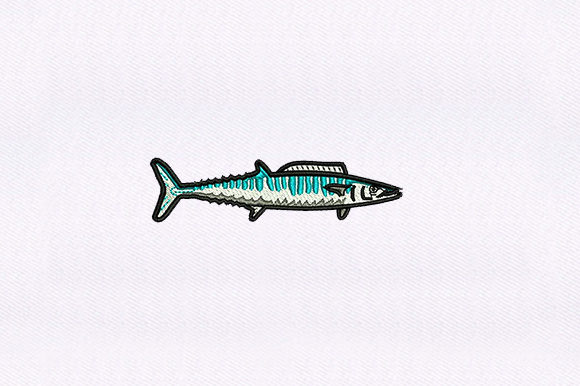
The moment you open the preview of the Seafood Wahoo Fish, the visual mood is immediately apparent. Unlike some overly complex seafood designs that can look cluttered when stitched at smaller sizes, this design carries a clean, modern personality. The detail level suggests a focus on the natural contours of the fish, likely utilizing a combination of satin stitches for outlines and fill stitches for body texture. For designers looking to add a touch of coastal charm without overwhelming a garment, this design offers a decorative appeal that is versatile yet distinct.
In terms of stitching personality, the design appears to lean towards a realistic yet stylized representation. This makes it particularly effective for brands that want to convey authenticity. Whether you are creating items for a fishing lodge, a seafood restaurant, or simply catering to lovers of marine life, the Seafood Wahoo Fish provides a strong visual anchor. It is not merely a clip-art style image; it has the weight and presence required to be a focal point on a finished product.
Real-World Application in Handmade Products
The true test of any machine embroidery design is how it performs when transferred from screen to fabric. I analyzed several potential use cases for this file, keeping in mind the current trends in handmade commerce and Etsy listings.
- Custom Apparel and Sweatshirt Embroidery: One of the strongest applications for this design is on heavyweight cotton sweatshirts or hoodies. The contrast between the soft fabric and the structured embroidery creates a premium feel. Placing the Seafood Wahoo Fish on the chest or as a large back print can elevate a basic garment into a statement piece. It works well for seasonal collections, particularly during summer months or for coastal tourism markets.
- Tote Bag Design and Aprons: Canvas tote bags are a staple for craft fair products and boutique merchandise. This design translates beautifully onto natural canvas or denim totes. Similarly, for kitchen towels or high-quality aprons, the wahoo fish adds a thematic element that appeals to home cooks and seafood enthusiasts. The design’s scale allows it to remain legible even when printed or stitched on larger surface areas.
- Baby Items and Nursery Decor: While "seafood" might seem like an unusual theme for baby items, the trend towards personalized gifts often embraces unique motifs. A small, tasteful application of this design on a burp cloth, muslin square, or nursery pillow cover can be quite charming. It breaks away from the typical animals and clouds, offering something different for parents who enjoy coastal aesthetics.
- Embroidered Patches and Caps: For those selling accessories, this design can be digitized into a patch format. Sewn onto baseball caps or beanies, it serves as a great conversation starter. The durability of the design implies it can withstand the wear and tear associated with headwear, provided proper stabilizers are used.
Practical Considerations for Embroidery Designers
Before downloading and implementing any digital embroidery file, practical constraints must be evaluated. Here is what you need to consider regarding the technical execution of the Seafood Wahoo Fish.
Hoop Size and Stitch Density: Always verify the recommended hoop size listed on the Creative Fabrica product page. If the design is intended for small hoops, ensure that the stitch density is appropriate for the fabric you are using. High-density fills on lightweight fabrics can cause puckering, while low-density fills on stretchy fabrics may lack definition. I strongly advise testing the design on scrap fabric before committing to a final product. Pay close attention to how the stitch density interacts with the base material.
Fabric Compatibility: The description notes that this detailed embroidery will look great on any fabric, but in practice, thread color contrast is king. On dark fabrics, you will likely need a heavy underlay or a contrasting backing to prevent the design from looking muddy. Conversely, on light fabrics, the colors should pop vividly. If you are working with textured fabrics like terry cloth (for towels) or thick fleece, ensure the needle length and tension are adjusted to accommodate the pile.
Stabilizer Selection: Using the correct stabilizer is non-negotiable for a professional finish. For woven fabrics like cotton or linen, a cut-away stabilizer is usually best for longevity, especially for items that will undergo frequent washing. For knit fabrics like sweatshirts, a tear-away or wash-away stabilizer might be sufficient depending on the design's stability. Always inspect the small details after stitching to ensure no gaps exist in the satin stitches.
Impact on Product Value and Brand Consistency
Using a high-quality design like the Seafood Wahoo Fish directly influences buyer trust and perceived value. In the world of handmade products, presentation is everything. A crisp, well-executed embroidery job signals professionalism and care. When customers see a clean finished product with precise stitching, they are more likely to leave positive reviews and recommend your shop to others.
Furthermore, incorporating unique designs helps maintain brand consistency. If your brand focuses on coastal living, outdoor adventures, or gourmet food themes, having a cohesive library of designs allows you to create matching sets—such as a matching set of kitchen towels, an apron, and a tote bag. This cross-selling opportunity increases average order value and strengthens your brand identity.
For sellers creating printable mockups or digital assets, having access to such specific designs allows you to showcase your products in realistic settings. A mockup featuring the wahoo fish on a rustic wooden table next to fresh seafood ingredients can tell a compelling story that resonates with target audiences.
Final Verdict and Licensing Reminder
The Seafood Wahoo Fish design stands out as a capable and attractive option for embroidery professionals and hobbyists alike. Its versatility across various product types—from custom apparel to kitchen textiles—makes it a valuable addition to your collection. However, success lies in the preparation. Take the time to read the product details carefully on Creative Fabrica. Confirm the file formats, check the suggested thread colors, and most importantly, review the licensing terms.
Ensure that your use of the design complies with the license agreement, especially if you plan to sell physical goods commercially. Some licenses allow for unlimited physical sales, while others may have restrictions. By verifying these details upfront, you protect your business and ensure ethical use of design assets. Ultimately, if the design fits your aesthetic and the technical parameters align with your equipment, this is a solid choice for enhancing your handmade offerings.