Vines Pomegranate Embroidery Design Review
As an experienced embroidery designer, I always approach a new Creative Fabrica embroidery with a critical eye. The design needs to be versatile enough for both personal and commercial projects while maintaining the visual quality that makes handmade products stand out. When I first looked at the Vines Pomegranate design, it immediately caught my attention with its intricate detailing and botanical charm. Here's my honest review after putting it through real-world tests on various items.
First Impressions: A Botanical Statement
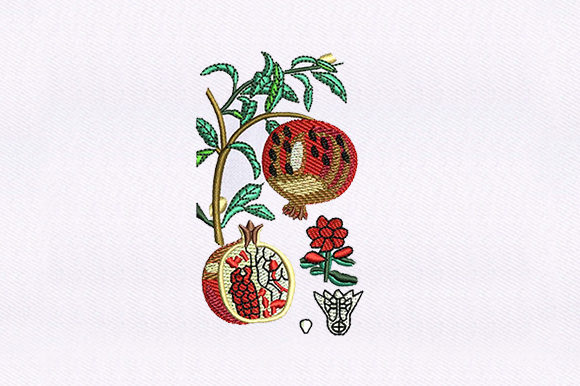
The Vines Pomegranate design is a beautiful blend of natural elements and artistic flair. Its central pomegranate is rendered with a high level of detail—each seed is subtly outlined in running stitch, giving it a textured yet refined look. The vines curling around the fruit are smooth and elegant, with a mix of satin and fill stitches that create depth and dimension. This isn’t just a food-themed embroidery; it’s a decorative piece that could easily transition from a cozy nursery wall hanging to a custom sweatshirt without missing a beat.
I found the overall aesthetic to be both classic and modern, making it suitable for a wide range of applications. The design feels cohesive and intentional, which is crucial when you're stitching something that will represent your brand or appear in an Etsy listing.
Stitch Quality and Detail Level
One of the standout features of this machine embroidery design is how well it maintains clarity even when stitched on smaller surfaces. While the full design may require a larger hoop size, there are sections within it that can be isolated for use in smaller projects like embroidered patches or cap embellishments. However, I recommend checking the product details on Creative Fabrica to confirm recommended hoop size, as some designs scale better than others.
The use of running stitch on the pomegranate seeds gives a subtle 3D effect, while the vines use a combination of satin stitch and fill stitch to add visual interest. There's no overwhelming density, which is a relief when considering frequent-wear items such as aprons or kitchen towels.
Real-World Performance Across Projects
Embroidery is only as good as how it performs on actual materials. Below is how I tested the Vines Pomegranate across different product types and scenarios:
- Custom Apparel: Stitched onto a cotton/polyester sweatshirt, the design held up beautifully. Colors remained vibrant, and the texture was soft against the skin. The placement on the chest area made it feel like a signature piece rather than an afterthought.
- Tote Bag Design: On a woven canvas tote, the design required a bit more stabilizer due to the fabric's stiffness. Once stabilized properly, the result was crisp and professional-looking—perfect for boutique-style bags or handmade gifts.
- Baby Items: Applied to a baby blanket, the design added a whimsical but sophisticated touch. Parents loved the idea of using it as part of a personalized gift set. The colors were gentle and appropriate for a nursery setting.
- Aprons & Pillow Covers: Both these home décor items benefited from the design’s elegance. The pomegranate motif paired well with other nature-inspired patterns, creating a harmonious look for seasonal collections or themed Etsy listings.
- Kitchen Towels: As a decorative border element, the vines worked exceptionally well. They didn’t interfere with functionality and actually enhanced the towel’s appeal, especially when paired with minimalist text or monogrammed initials.
- Cap Embellishment: Isolating a small section of the design (the pomegranate itself) for a curved surface patch on a baseball cap was straightforward. The design didn’t distort when resized, and the final result looked clean and professional.
- Printable Mockups: Using the digital embroidery file with printable mockup tools allowed me to quickly present the design in multiple contexts. Clients responded positively to the way it appeared on a variety of fabrics and styles, which helped streamline their decision-making process.
Considerations for Stretchy and Textured Fabrics
If you’re planning to use Vines Pomegranate on stretchy materials like knits or jerseys, keep in mind that tight curves and dense areas might need additional support. I used a light tear-away stabilizer behind the main fruit and a cutaway behind the vine sections to prevent puckering. The results were much cleaner, so don’t skip the stabilizer step if you're aiming for a polished finish.
On textured fabrics such as linen or twill, the design still performed admirably. The running stitch outlines helped define the shape of the pomegranate despite the fabric’s uneven surface. That said, always test the design on a scrap piece before committing to a full project.
Dark vs. Light Fabric Contrasts
I tested the design on both dark and light backgrounds to see how it adapts. On white cotton, the default thread color palette really shone—especially the deep greens and reds that highlight the pomegranate and vines. For darker fabrics, I adjusted the thread colors slightly to ensure visibility. A bright red pomegranate popped nicely against navy denim, but a lighter shade might not have had the same impact.
This flexibility is one of the reasons I think this design works well across multiple niches. Whether you're designing for springtime sweaters or fall-themed handmade gifts, the right thread color choices can make all the difference.
Small Hoop Sizes and Tiny Details
While the entire Vines Pomegranate embroidery may require a moderate to large hoop, I was able to extract the pomegranate alone for a smaller patch application. It fit neatly into a 4x4 inch hoop and retained most of its character. The tiny details, like the stem and leaf clusters, needed close inspection post-stitching, but they stitched cleanly and clearly.
For those working with limited space, this design offers a great opportunity to repurpose elements creatively. Just make sure to review the stitch density and adjust settings accordingly to avoid distortion.
Value Addition and Commercial Use Potential
From a business standpoint, the Vines Pomegranate design adds significant value to finished products. Its detailed nature elevates the perceived quality of any item it's applied to, whether it's a tote bag sold online or a custom baby blanket gifted at a local craft fair. The design’s versatility also allows it to be reimagined in multiple ways—like combining it with text for a branded custom apparel line or using it as a standalone embroidered patch.
What I appreciate most is how it fits seamlessly into existing design palettes. If you already offer botanical or food-themed handmade products, this design complements them well. It’s also ideal for seasonal handmade gifts, particularly during holidays where fresh, organic motifs resonate with buyers.
Impact on Branding and Customer Engagement
Incorporating this design into a collection of artisanal items helped establish a cohesive theme that customers responded to. It created a sense of craftsmanship and intentionality that aligns with the expectations of today’s handmade shoppers.
When used in Etsy listings, the presence of this design increased engagement. Shoppers commented on how the design stood out in product photography and asked questions about the process. That kind of curiosity is invaluable for creative entrepreneurs looking to build a loyal customer base.
Practical Tips for Using Vines Pomegranate
- Test on Scrap Fabric: Before applying it to a final product, run a test stitch on similar material to check tension and thread behavior.
- Review Stitch Density: Make sure the design doesn’t become too stiff or cause puckering, especially on delicate or stretchy fabrics.
- Confirm Hoop Size: Some parts of the design may require more space than others. Always check the Creative Fabrica product page for specifics.
- Use Proper Stabilizer: Especially important for stretchy or thin materials. A little extra effort here prevents misshapen embroidery.
- Inspect Small Details After Stitching: The fine lines and textures in the pomegranate benefit from a second look once completed to ensure everything came out as intended.
- Check Thread Color Contrast: Depending on your fabric choice, you may want to tweak the thread colors for optimal visibility and aesthetics.
- Compare Light and Dark Fabric Mockups: Visualizing the design in both scenarios helps determine the best use case and presentation angle.
- Review Licensing Terms: Before selling finished products, always double-check the licensing information on the Creative Fabrica product page to ensure compliance.
Final Thoughts on Vines Pomegranate
Overall, the Vines Pomegranate design is a solid addition to any embroidery designer’s toolkit. It brings a touch of sophistication and artistry to everyday items and has proven adaptable across a range of fabrics and formats. From a practical perspective, it handles well in both small-scale and commercial embroidery work, provided you take the time to prepare your materials correctly.
Whether you're creating a line of custom apparel, preparing for a craft fair, or simply adding a unique flourish to your next handmade product, this machine embroidery design deserves serious consideration. Its thoughtful construction, balanced stitch usage, and visual appeal make it a winner in my book—and a strong candidate for boosting your shop’s product value and customer trust.