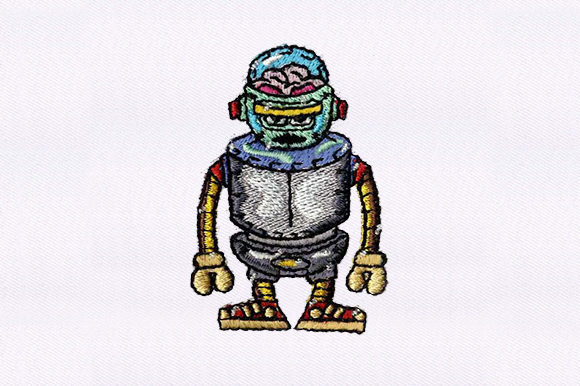
Robot Embroidery Design Review for Craft Fair Success
If you're prepping your booth for a weekend craft fair or planning new handmade products for your Etsy shop, the Robot embroidery design is one to consider carefully. As an experienced embroidery designer with years of hands-on work in creating standout craft fair products, I’ve reviewed countless designs, and Robot has potential—if executed right. Let’s break down how this design performs across different items and what it takes to make it shine on your table.
First Impressions: A Bold Yet Playful Machine Embroidery Design
The name “Robot” immediately sets the tone. It suggests something mechanical, maybe even futuristic—but the description adds a touch of versatility. This is a high-quality machine embroidery design that promises to look great on any fabric or clothing item. Based on just the title and product details, I’d say Robot leans toward a bold and modern aesthetic with enough detail to feel premium without being overly fussy.
It doesn’t scream farmhouse or rustic, but its clean lines and structured form could easily adapt into a quirky, contemporary piece. The word “detailed” stands out, so if tiny components are part of the visual, like buttons or gears, then Robot might have a playful edge. For handmade product sellers, this means it can appeal to customers who love tech-inspired art or those seeking something fun yet refined for their home décor or apparel.
Where Robot Stands Out: Products That Pop
Now, let's imagine how Robot looks on actual items you'd display at a market or sell online:
- Tote bag design: A large-scale Robot stitched on a canvas tote would catch attention instantly. Its boldness makes it ideal as a focal point, especially in muted tones like gray or navy where the design pops with color contrast.
- Apron embroidery: If placed centrally, Robot adds a whimsical twist to kitchen aprons. The detail level needs to be tested—dense stitch areas could pose issues on stretchy cotton blends.
- Tea towel embroidery: Small or medium-sized Robot works well here. The key is ensuring the thread colors stand out against the white or pastel fabric commonly used for tea towels.
- Embroidered patch: Robot could be turned into a trendy patch for denim jackets, backpacks, or bags. Its structured nature fits well with patch-style applications, especially if the design includes metallic threads for extra visual interest.
- Fabric pouches: On small pouches, Robot can act as a statement design. However, keep in mind that smaller sizes may lose some definition unless the design is simplified or optimized for scale.
- Pillow covers: Placed off-center or mirrored for symmetry, Robot brings a unique decorative element to pillows. The stitching should hold up through washing and wear, making durable fabrics essential.
- Market bags: Similar to tote bags, these larger reusable bags offer ample space for Robot to be featured prominently. A minimalist layout with Robot alone can create a strong visual impact.
- Handmade gifts: Think embroidered mugs, ornaments, or wooden plaques. Robot’s personality makes it perfect for adding charm to personalized gifts.
- Booth samples: Use Robot as a sample on a few key products to draw customer curiosity. It’s not too subtle, which is good for attracting attention from a distance.
- Printable mockups: For digital sellers, this design translates well to mockups. The detailed nature allows for high-quality photos that show off the craftsmanship in your embroidery file.
- Etsy listings: With the right imagery and copy, Robot can become a top-selling listing. Customers love designs that blend creativity with functionality, and this one checks both boxes.
What Sells Best: Robot as a Statement Piece
From a sales perspective, Robot excels when it's the main attraction. Whether it’s a large tote bag design or a central motif on a market bag, it commands attention. But if you’re considering using it as a small accent (like on a cap or button), you’ll need to simplify or reduce the design significantly to avoid losing clarity.
Its visual weight also means it pairs best with simple backgrounds. Avoid busy patterns or over-the-top embellishments. Let the Robot speak for itself. For small shop product creators, this is a big plus—it keeps your branding focused and cohesive.
Photography and Online Appeal
As an Etsy seller, you know how important visuals are. Robot’s structured lines and defined shapes photograph beautifully, especially under soft lighting. You’ll want to test it on a few different stabilizer types to ensure the fabric lies flat and the stitches don’t pucker in the shot.
When using printable mockups, make sure the embroidery file has a clear outline or uses contrasting thread colors. Dark fabric might require brighter thread combinations to maintain visibility. Always take real-life photos of your finished products for authenticity; customers trust tangible proof more than computer-generated images.
Production Considerations for Batch Embroidery
Robot appears to be a versatile machine embroidery design, but before jumping into mass production, there are a few things to note:
- Dense stitch areas: If the design includes intricate parts like wiring or facial features, check for stitch density. Too many stitches in one spot can lead to puckering, especially on thin or stretchy fabrics.
- Tiny details: These add character but can be tricky during embroidery. Ensure your machine supports fine detail work and that your hoop size accommodates the full design.
- Small lettering: If Robot includes text (e.g., “I’m a robot”), review the font size. It must be legible but not overwhelmed by the rest of the design.
- Thick fabric: Canvas and heavy-weight materials handle dense embroidery better. Lighter fabrics may require additional backing or stabilizers to prevent distortion.
- Textured towels: If you plan to use it on tea towels or linen, be aware that texture can affect how the design lays flat. Test stitch on a similar fabric first.
- Curved cap surfaces: Adapting Robot for curved surfaces requires careful seam placement and possibly adjusting the design for curvature. Not all embroidery files translate well to caps without manual tweaking.
- Dark fabric: Thread contrast is critical here. Bright or light-colored threads will help Robot stand out. Be cautious with black or deep navy bases—test with multiple thread color options.
Design Testing Tips Before Launch
Before turning Robot into commercial products, follow these steps to ensure quality and consistency:
- Test the design on scrap fabric that matches your final product material. See how it reacts to tension and stitching pressure.
- Check thread colors against fabric choices. Some combinations might appear muddy or unbalanced in person versus on screen.
- Review spacing between elements to avoid overcrowding. Good spacing improves readability and visual balance.
- Confirm hoop size requirements. Larger designs may need bigger hoops, which affects setup time and machine compatibility.
- Inspect stitch density on curved vs. flat areas. Adjust settings if needed to prevent distortion or gaps.
- Use the appropriate stabilizer for each fabric type. Tear-away, wash-away, or cut-away stabilizers can make or break the final appearance.
- Create at least one real mockup for your booth. Nothing sells like seeing a finished product up close.
- Compare fabric colors side-by-side with the design. Sometimes, what looks good on a white background doesn’t translate to a printed image.
- Confirm commercial licensing terms. If you plan to sell finished products beyond personal use, verify whether the digital embroidery file allows for commercial sales.
Visual Appeal and Brand Consistency
Robot has a distinct personality that can elevate your brand identity. If your line leans toward modern or geek-themed handmade products, this design aligns perfectly. Its bold presence ensures it won’t get lost in a sea of floral or vintage motifs, making it a strong contender for craft fair booths looking to stand out.
For brand consistency, pair Robot with complementary styles. Maybe use it alongside other tech-related themes or minimalistic accents to build a cohesive collection. This helps buyers recognize your style and return for more.
Customer Engagement and Booth Display Strength
At a craft fair, Robot’s design draws immediate eye contact. People are naturally curious about robots, especially if the design feels cute or clever. Use it on a visible sample—like a tote bag or apron—and watch the conversations start.
On your display table, group Robot-based items together. A set of three tote bags with varying placements (centered, cornered, mirrored) shows flexibility and creative use. Add a couple of embroidered patches and a tea towel to demonstrate how it scales and adapts.
Final Thoughts for Embroidery Designers and Sellers
In summary, Robot is a solid choice for craft fair product lines and commercial embroidery ventures. It offers a mix of detail and charm that appeals to a wide audience, especially if presented with care and thoughtfulness.
Remember, while the design promises to look great on any fabric, success depends on your execution. Take time to understand its nuances, experiment with placement and scale, and always prioritize quality. When done right, Robot can become a signature asset in your design assets portfolio, helping you boost product value and customer engagement at every event.